The best realistic AI image generator, judged on 12 photos built to trip it up
The best realistic AI image generator costs about 4 cents: GPT Image 2.5 on high and Nano Banana 2.1 passed 11 of 12 photo tests. Max only helps close-ups.
The best realistic AI image generator for the money, as of October 2026, is GPT Image 2.5 on its "high" setting or Nano Banana 2.1, at about 4 cents an image. Each passed 11 of the 12 photo tests I built to trip models up. GPT Image 2.5 on "max" passed all twelve at four times the price, and the one extra shot it won was a tight close-up of weathered skin.
On most shots the 4-cent models landed within a whisker of the 15- and 16-cent ones, and the only place the extra money showed was a face filling the frame. Google's Nano Banana Pro costs almost four times what Nano Banana 2.1 does and didn't beat it on a single shot. Meta's Muse, at a cent, passed eight and slipped mostly on skin and dim light. The open models (FLUX.2 Klein, Z-Image Turbo, Qwen Image 2.1) are fast and nearly free, but passed between zero and four.
12 photos built to give AI away
Nine prompts aim at the places AI photos tend to crack, like harsh sun on old skin, a mirror selfie, hands, small print and candlelight. The other three are everyday shots: a product photo, street food and a wet dog. Midjourney isn't here because it still has no API.
A pass means I'd take the image for a real photo and it did everything the prompt asked. I kept each model's first image and judged every prompt as a shuffled grid with the names hidden, though the mug grid wasn't fully blind.
The best realistic AI image generator per dollar
Photos that passed (of 12), with what each image cost and how long it took
The top five are close enough that taste decides. My favorite image for each prompt came from five different models, and two of those favorites came from Muse, which costs a cent: the subway crowd and the 2005 birthday snapshot.
Muse and Nano Banana Pro both passed eight, for different reasons. Muse slips on fine detail, like over-cooked wrinkles or rosacea that looks painted on. Pro botched the mirror and lit a one-candle bar like an ad. Below them, the open models miss a little almost everywhere. Z-Image Turbo makes clean, sharp images in three seconds, then drops whatever it can't fit: the pad thai turns into another noodle dish and the shaking dog stands still. FLUX.2 Klein drew a mug with two handles.
It's one person's eye, so here is every image with my note on it. Pick a prompt and judge for yourself.
Prompt: Phone photo of four friends laughing around a small table in a dim bar, lit only by one candle, heavy grain, slightly soft focus, warm color cast.
passes as a photoa visible tell or a dropped detailbrokenClick any image for full size.
Is GPT Image 2.5's max setting worth four times the price?
Leaderboards rank GPT Image 2.5 at its max setting and quote it at about 21 cents an image, so that's the price people repeat. OpenAI bills images by the token, and max draws four times as many as high. At the size I ran, max cost 16.5 cents and took 51 seconds; high cost 4.1 cents and took 22.
On eleven of the twelve prompts I couldn't find a difference worth paying for. The twelfth was the sunburned fisherman, cropped tight:
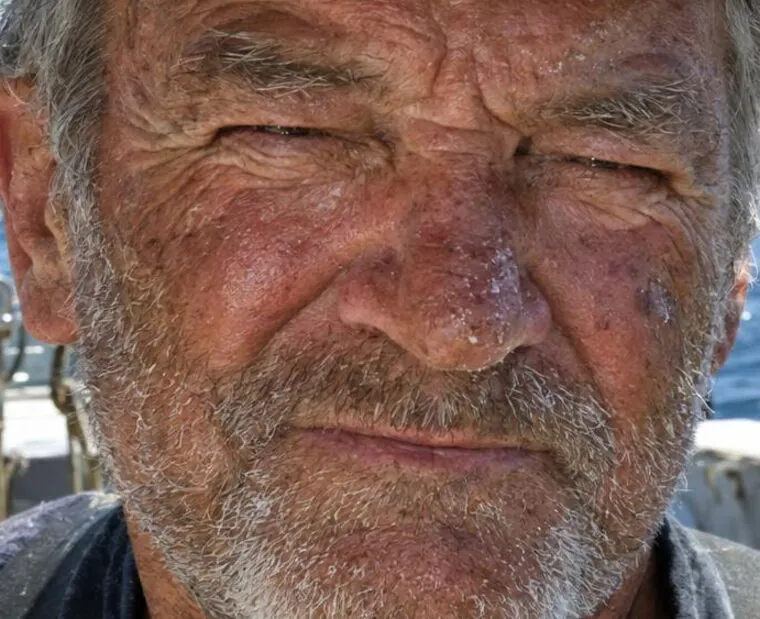
GPT Image 2.5, max · $0.165
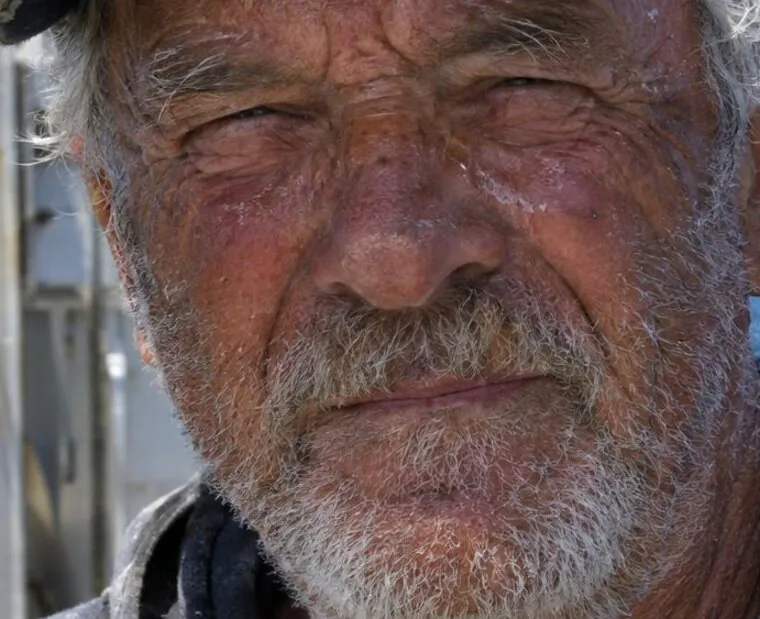
GPT Image 2.5, high · $0.041
I'd run high by default and switch to max only for tight portraits that will be seen large.
Where the field splits: small print, mirrors and candlelight
Big, simple text is solved. All ten setups wrote the three-line ramen menu correctly, and Nano Banana 2.1 added the right Japanese under each item without being asked. Small print is where the open models still give themselves away:
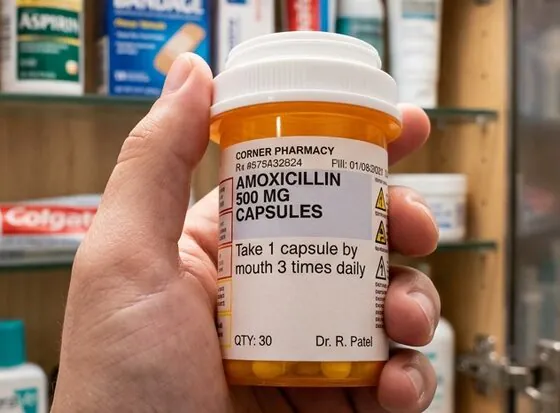
Nano Banana 2.1 · $0.04
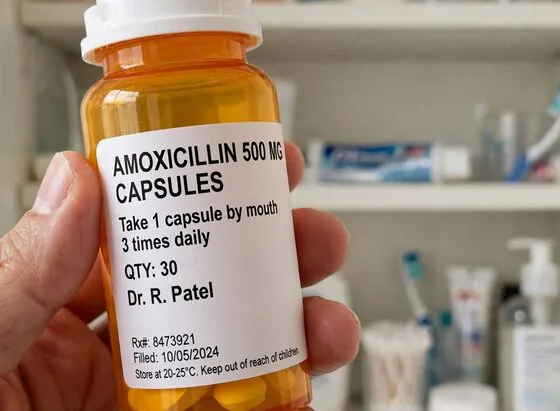
Muse · $0.01
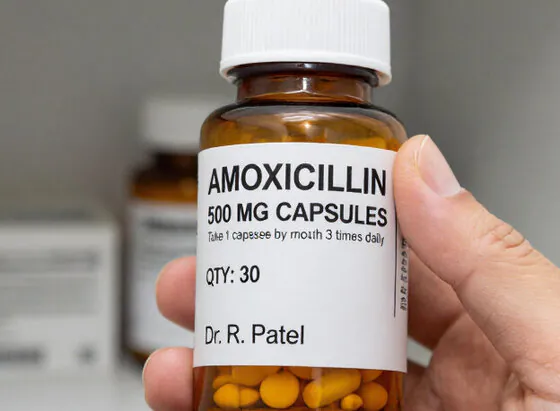
Z-Image Turbo · $0.001
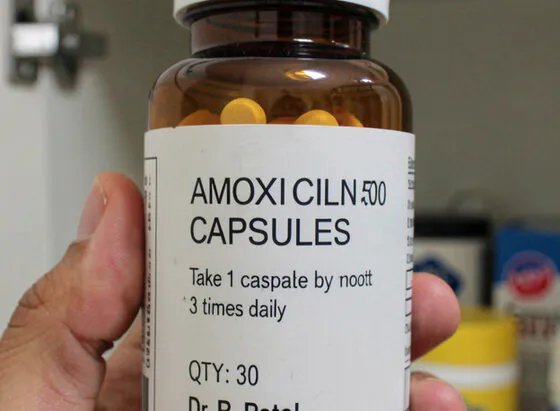
FLUX.2 Klein · $0.002
Mirrors were the surprise. A mirror selfie asks the model to draw one person twice, once in the room and once in the glass, and keep the two consistent. Both Google models broke it. Nano Banana 2.1 put two different women in the mirror, and Nano Banana Pro gave its subject a reflection standing across the room in a different pose. GPT Image 2.5, FLUX 3 and Grok all got it right.
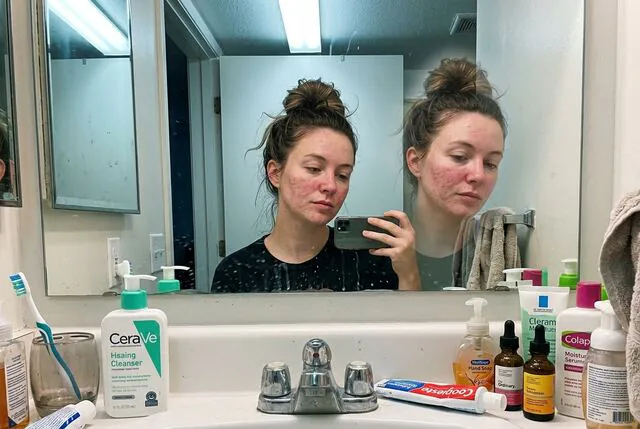
Nano Banana 2.1 · two women
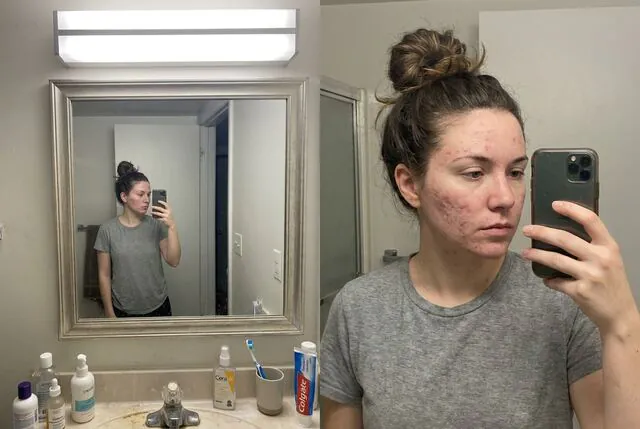
Nano Banana Pro · wrong reflection
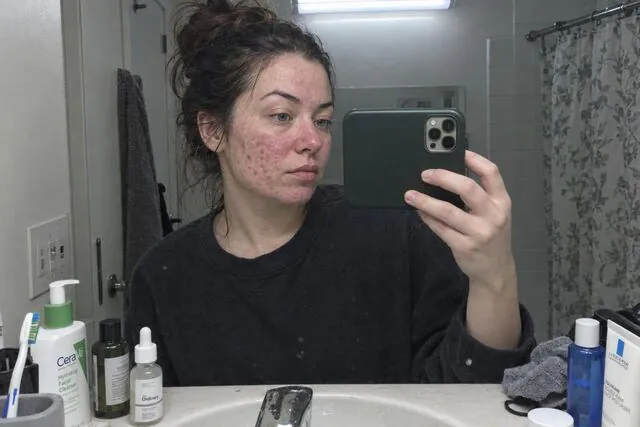
GPT Image 2.5, max · right
Candlelight tripped a different group. Ask for four friends lit by one candle, with grain and soft focus, and several models hand back a bright, clean stock photo instead. FLUX 3, Muse and Nano Banana Pro all drifted there; GPT Image 2.5, Nano Banana 2.1 and Grok kept the room dark. My guess is the training data: most photos of friends laughing in a bar are well-lit stock shots, and a phone in a dim room is the rarer look.
Hands are mostly fixed at the top. Only Grok broke one, laying a hand flat across the guitar strings like a tabletop. The open models still struggle: Qwen Image 2.1 drew frets and strings crossing at the wrong angles and knotted the hands into the orange.
Which of these images admit they're AI
Some of these files say they're AI-generated in C2PA metadata, the label some platforms read to tag a post as AI. GPT Image 2.5's are signed by OpenAI and also record an invisible watermark. Both Nano Banana models carry Google's signature. Grok's label is self-signed and marked "local use only," which proves nothing, and FLUX 3, Muse and the open models carry no label at all. A screenshot or a re-save drops the metadata anyway, which I tested in the C2PA post. You can check any file with our C2PA checker.
The pick: GPT Image 2.5 on high, or Nano Banana 2.1
For realistic photos, GPT Image 2.5 on high or Nano Banana 2.1, both about 4 cents. GPT was the more reliable of the two here; Nano Banana finishes in 12 seconds instead of 22 but couldn't handle a mirror. If you'd rather not wire up APIs, bestphoto.ai, which we run, has Nano Banana and GPT Image behind one prompt box.
Muse at a cent is fine for volume if you can reroll the odd miss, and the open models are for drafts. Save the 16-cent max setting for the close-up portrait someone will study on a big screen.
More from the Blog
Claude Code Alternatives: OpenCode With DeepSeek, GLM, Kimi and Qwen, Priced per Task
Claude Code alternatives, priced per finished task: OpenCode with DeepSeek cost about a cent, GLM-5.3 cost what Sonnet did, and the host set the bill.
AI video detectors only guess. Here's how to tell if a video is AI
An AI video detector can only guess. The label inside the file is proof, but every re-save I tried stripped it. Plus the visual tells that still work.